Every pressure transducer that supplies a high level DC output signal such as 0 to +/-5 Vdc or 4-20 mA should have the line regulation specified.
Line regulation is the ability of the transducer to minimize the output signal error should there be a change in the power that the transducer receives. This can happen if a transducer is calibrated at one power supply voltage in the cal lab but is put into service with a different power source. What would be the error caused by the difference in power supply voltages? The line regulation specification lets you calculate this.
The P55, for example, specifies a regulation of 0.02%. This means that any change in operating voltage – within its +9 to +55 Vdc limits – will result in a maximum error of 0.02% FS.
Suppose a P55 was calibrated for 0 to +5 Vdc output for 0 to 1 psid pressure, and the power in the cal lab was +12 Vdc. If that same P55 was installed in a system where the power supply was 24 Vdc, the maximum output error would be just 0.02% of the full scale of the transducer.
In this example the output shift due to line regulation would be just 0.0002 psi – a negligible error.
Line regulation in modern semiconductor circuitry has progressed to the point that output error due to power supply changes is essentially zero. One use of this specification, however, is as a symptom in trouble-shooting. A regulated transducer whose output changes greatly with power supply voltage probably has something malfunctioning in the electronics and should be repaired.
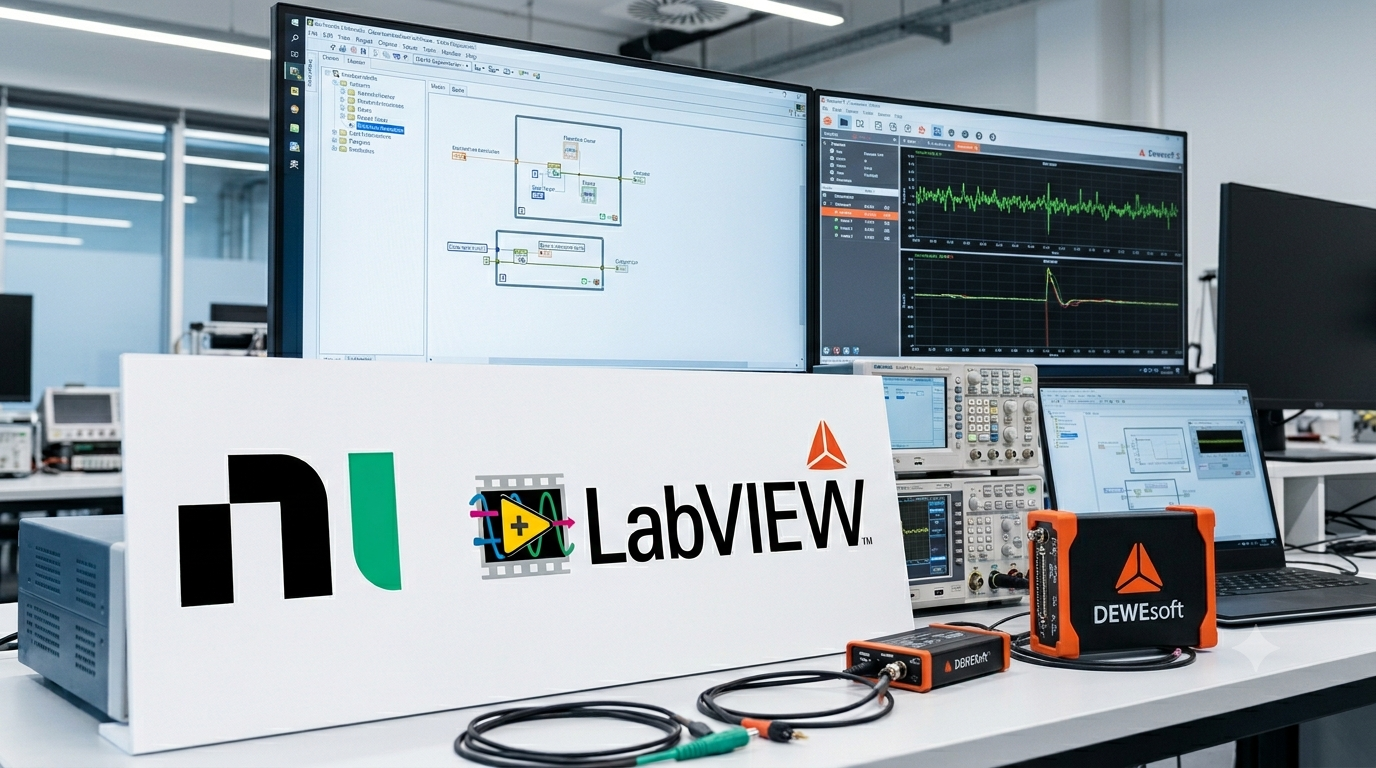
Many pressure measurement applications rely on software ecosystems like NI LabVIEW, NI DAQ hardware, or Dewesoft acquisition systems. Validyne VR sensors integrate seamlessly into these environments — but successful integration…
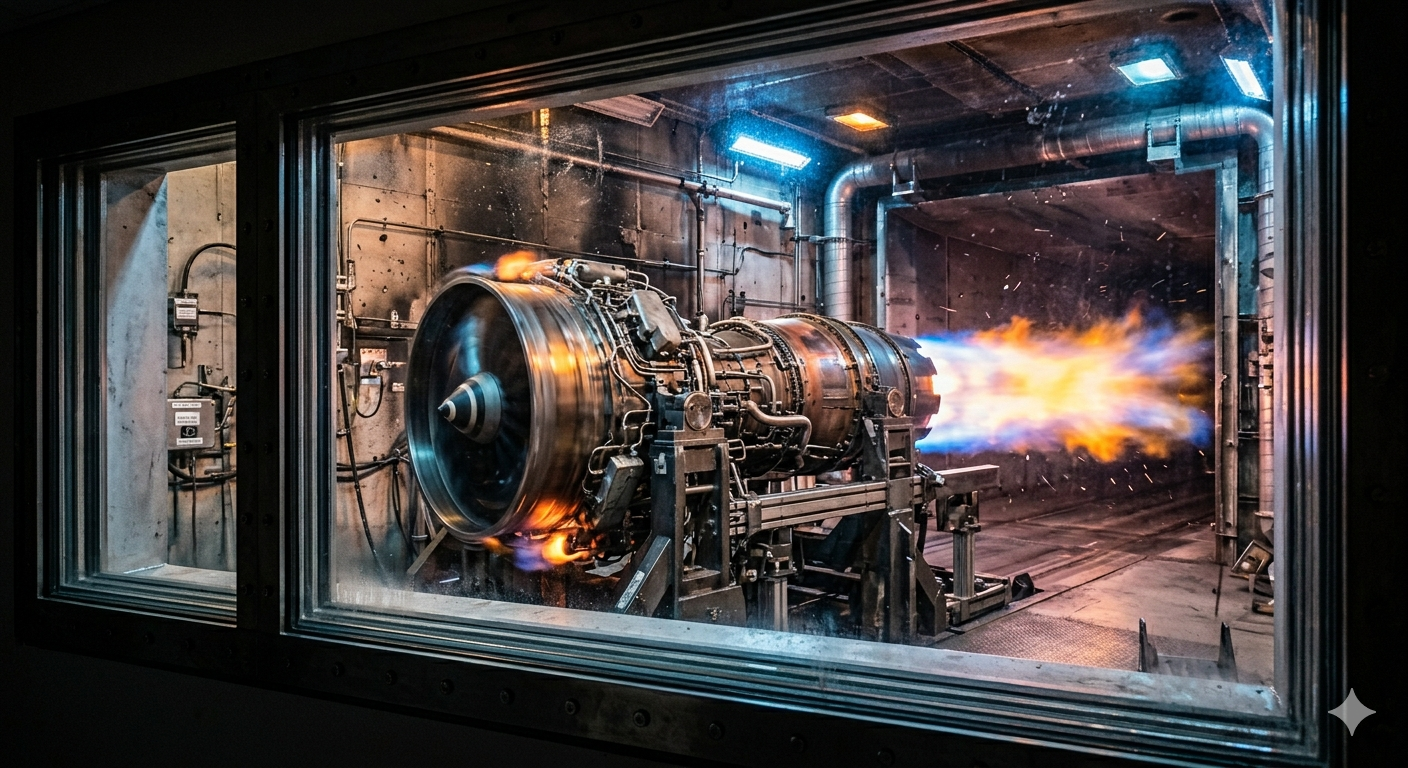
5 Major Pressure Measurement Challenges in Engine Test Cells 1. Extreme Vibration Engine startups, compressor stalls, and turbine harmonics generate intense shock loads that can push conventional sensors to their…
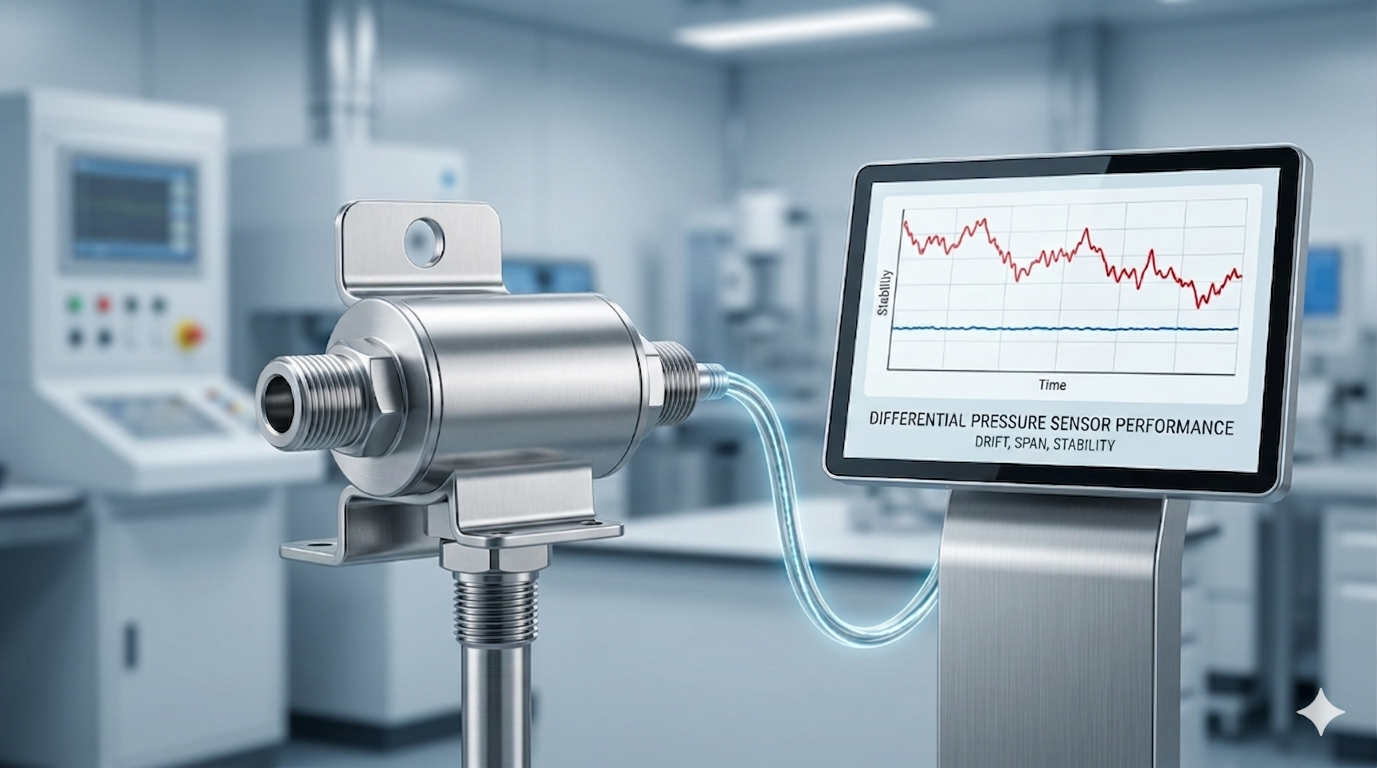
Pressure sensor accuracy isn’t determined only at the moment of calibration. Over days, weeks, or years, every pressure sensor experiences some degree of zero drift, span shift, and long-term stability…
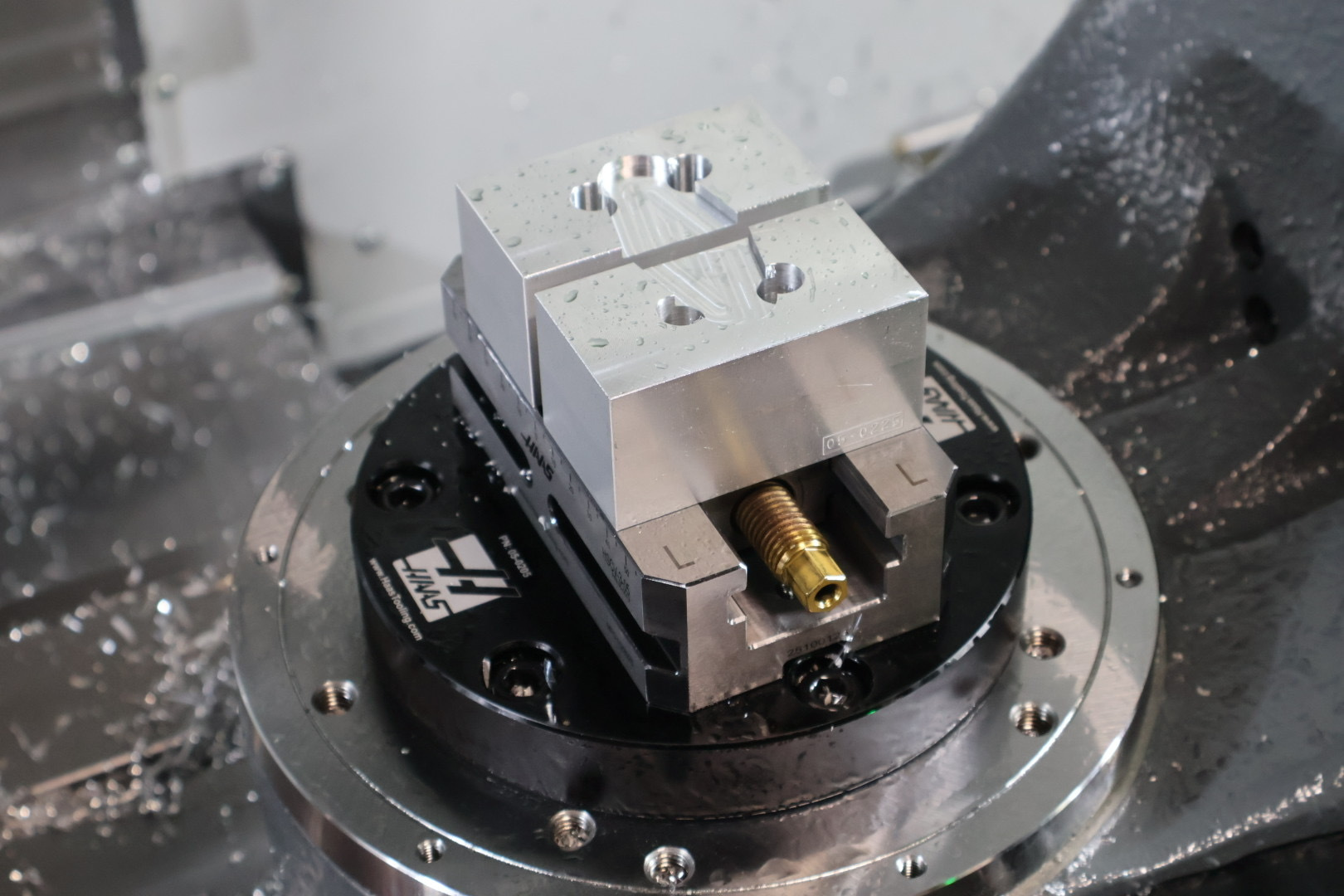
Why In-House Machining Makes the Difference One of Validyne’s biggest advantages, and one that most sensor companies cannot match, is that we machine almost every metal component of our sensors…
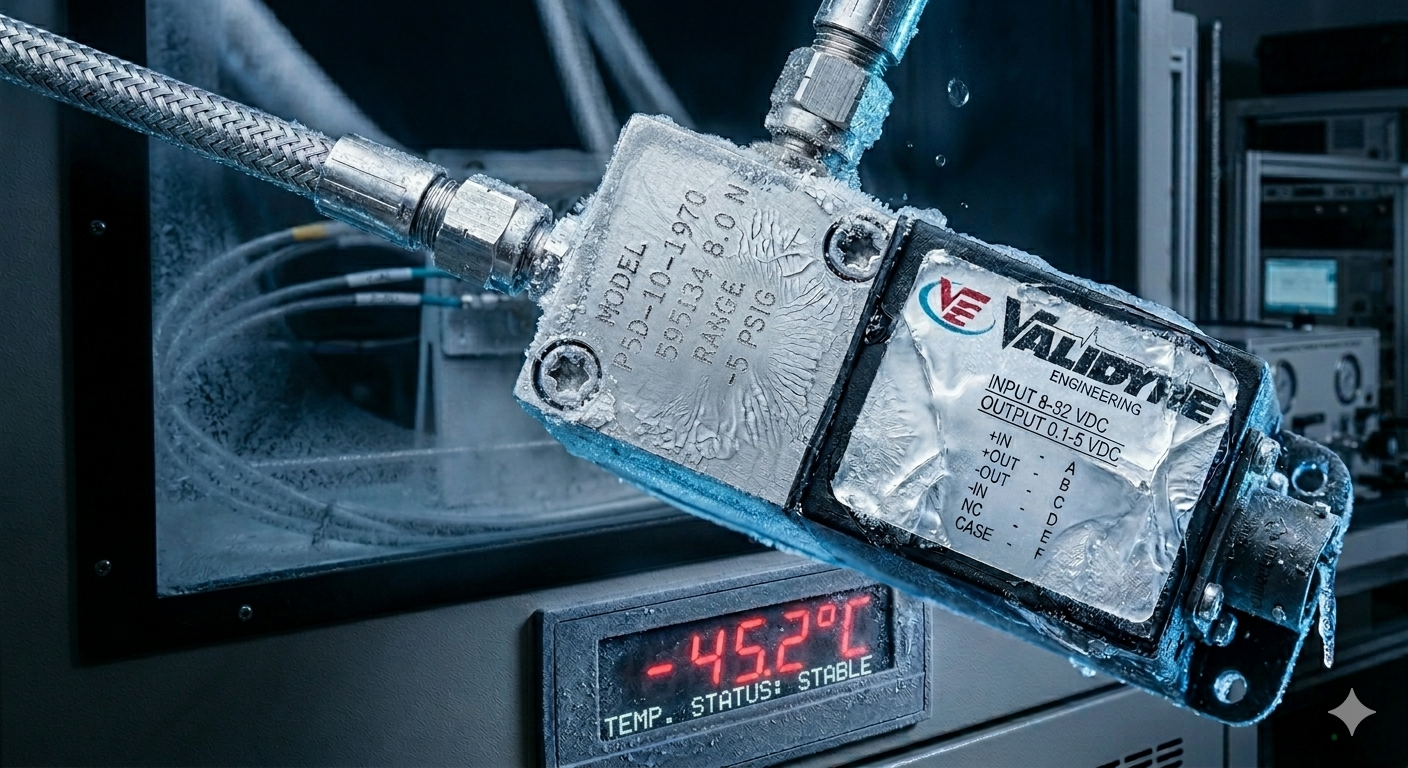
Calibrating pressure sensors at very low temperatures, especially below -20°C, is a challenge for many manufacturers. Metals contract; mechanical stresses intensify causing traditional strain-gauge sensors to drift significantly. Validyne’s VR-based…
We use cookies on our website to give you the most relevant experience by remembering your preferences and repeat visits. By clicking “Accept”, you consent to the use of ALL cookies on this site. Please review our privacy policy for more information.
This website uses cookies to improve your experience while you navigate through the website. Out of these, the cookies that are categorized as necessary are stored on your browser as they are essential for the working of basic functionalities of the website. We also use third-party cookies that help us analyze and understand how you use this website. These cookies will be stored in your browser only with your consent. You also have the option to opt-out of these cookies. But opting out of some of these cookies may affect your browsing experience.
Necessary cookies are absolutely essential for the website to function properly. This category only includes cookies that ensures basic functionalities and security features of the website. These cookies do not store any personal information.
Any cookies that may not be particularly necessary for the website to function and is used specifically to collect user personal data via analytics, ads, other embedded contents are termed as non-necessary cookies. It is mandatory to procure user consent prior to running these cookies on your website.

Leave a reply
You must be logged in to post a comment.